Offering over
10 types of dried apricots. All-natural, no sugar added, gluten-free and non-GMO options.
Enjoy our large offering of California Dried Apricots, as well as our delicious Turkish varieties. Unsulfured, sulfured, and Certified Organic available. All of our apricots are certified Kosher. Offering over 10 types of dried apricots from California Dried Apricots to Turkish Dried Apricots. Unsulfered and sulfured available. All-natural, no sugar added, gluten-free and non-GMO options. All of our apricots are certified Kosher.
Health Benefits
When it comes to apricots, you may be tempted to consider them as being too “ordinary” to be considered a “Superfood”. Think again -- California apricots are a powerful source of disease fighting agents and are one of the healthiest and most beneficial fruits available. Because of their high nutrient content, California apricots address a variety of health concerns - anemia, digestion, eyes and vision, and even skin problems. The diverse and unique combination of antioxidants in California apricots makes them an excellent fruit for fighting against heart disease, cancer, and stroke. Dried apricots have a greater nutritional content (especially Vitamin A and minerals) than fresh apricots due to their high concentration of nutrients. The antioxidants carotenoids and phenolics are both abundantly present in apricots. They are rich in vitamin C, potassium, calcium, iron, vitamin A, phosphorous, and contain fiber as well as essential minerals in trace amounts. According to studies, apricots are excellent sources of ß-carotene, forming 60-70% of the carotenoid that confers with the orange color on the un-blushed sides of the fruit. Additionally, the ß-carotene and lycopene found in apricots protect LDL cholesterol from oxidation, which may help to fight against heart disease. Carotenoids are important not only because of the color they impart but also because they show protective activity against a variety of degenerative diseases. Apricots have been described as one of the most important dietary sources of provitamin A carotenoids – 250g of fresh or 30g of dried apricots (approximately one serving size) provide nearly all of the recommended daily allowance.
History
The history of the California apricot dates back to 4,000 years ago when it was discovered on the mountain slopes of China. From there, it found its way across the Persian Empire to the Mediterranean. Spanish missionaries introduced the apricot to California in the 18th century, and recorded history indicates that 1792 was the year that the first major California crop was produced. By 1920, the California apricot was flourishing in the Santa Clara Valley. Eventually, California apricot farms found their way to the San Joaquin Valley after World War II. Today, California produces over 95% of the apricots grown in the United States.
6 Facts - Did you know?
- Apricots are in the Rosacea (Rose) family – along with the other stone fruits (such as peaches, cherries, and plums), almonds, strawberries, raspberries, apples, pears, and of course, roses!
- In a 2005 study, Spanish researchers found that apricot color has a large influence not only on consumer perception of quality but also on nutritional recognition for their Vitamin A content.
- Laetrile, a purported alternative treatment for cancer, is extracted from apricot seeds. As early as the year 502, apricot seeds were used to treat tumors and in the 17th Century, apricot oil was used in England against tumors and ulcers. However, in 1980, the American National Cancer Institute described laetrile to be ineffective in the treating of cancer.
- Apricots are very closely related to the almond (P. dulcis) and the pits of some of the specially developed hybrids are edible.
- Approximately 20% of California’s total apricot crop is utilized for drying.
- Turkey is the main producer of dried apricots, accounting for approximately 85% of the world production.
Sweet Dried Apricots - Blenheims
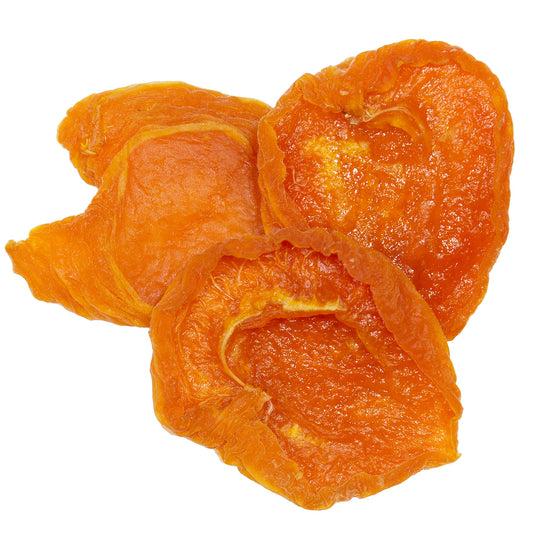
Sweet Apricots are dried from the Golden State’s Blenheim varieties and emit a mellower tang and delectably sweet flavor. These are often called a “vintage variety” and are one of the most highly-coveted varieties in the state!
Extra Value Apricots
The smallest apricots are separated from each batch and offered at a great price resulting in the name “Extra Value”. Each bite-size slice bursts with zesty and tart flavors.
Natural (no sulfur) Apricots
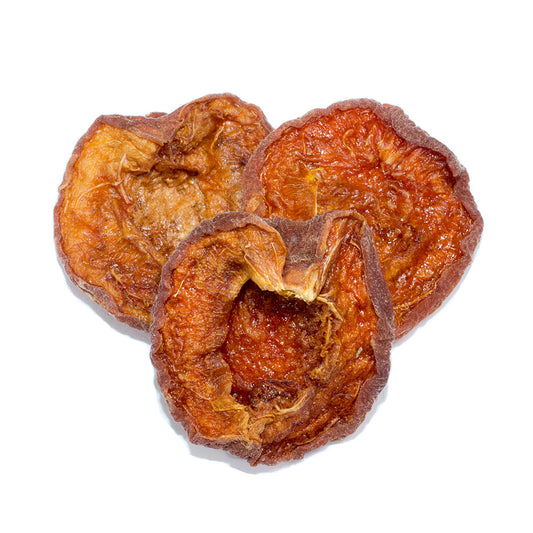
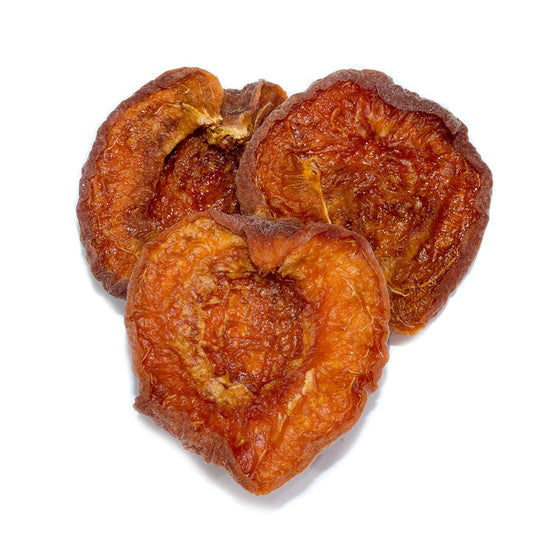
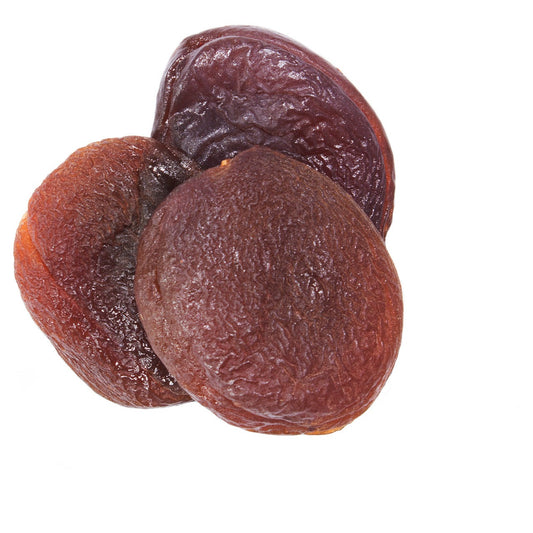
Look at the ingredient list and all you’ll see is the word "Apricots” – plain and simple! The halves are dried naturally without preservatives resulting in darker skin and tougher flesh. Dried fruit aficionados know these dark dried apricots deliver sweet earthy flavor and mild apricot tang.
Organic Apricots
Identical in flavor and appearance to the Natural (no sulfur) Apricots, these ‘cots are grown organically according to CCOF standards. These are also dried naturally without preservatives resulting in darker skin and tougher flesh. Aficionados of dried fruit know these dark dried apricots deliver sweet earthy flavor and mild apricot tang.
Mediterranean/Turkish Apricots
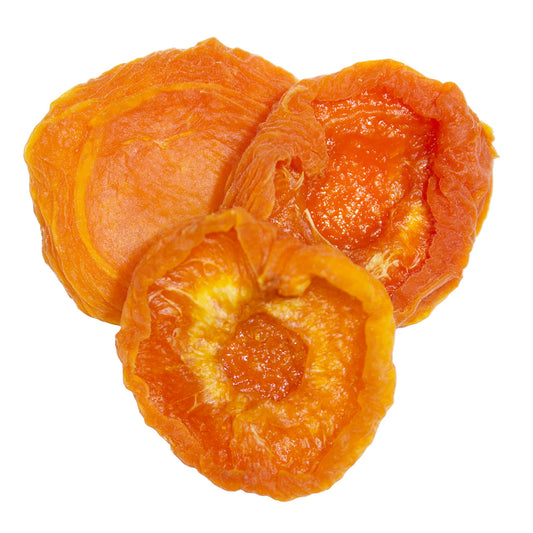
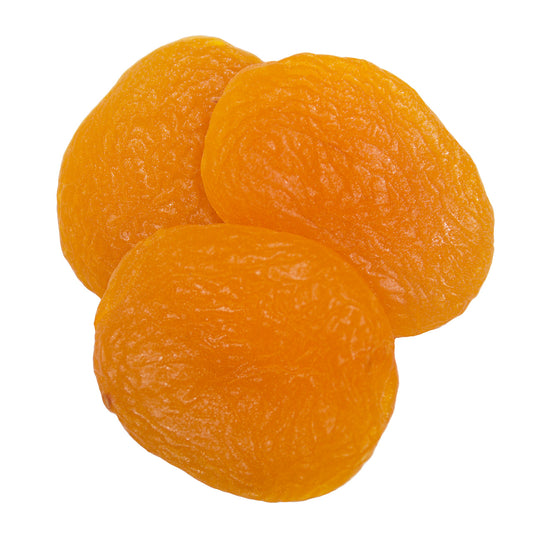
Bright orange Mediterranean gems imported from Turkey are dried whole, making them very thick. Each succulent apricot provides a tropical, peachy flavor.
Organic Turkish Apricots
Grown organically and dried without preservatives, these succulent dark Turkish Apricots emit an earthy, sweet, peachy flavor.

 Sale
Sale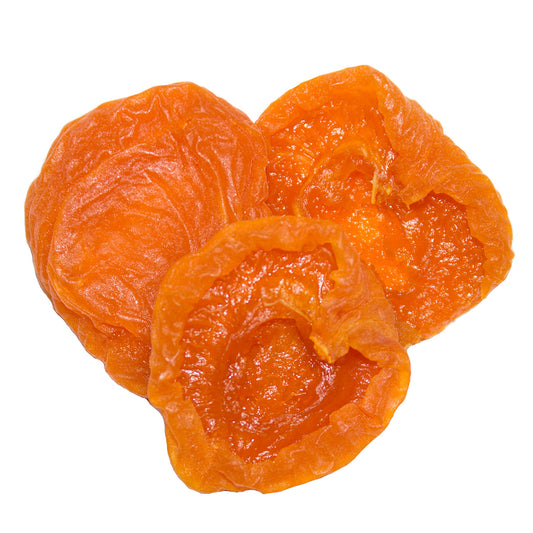 Temporarily Sold Out